
ARUSHA NATIONAL PARK
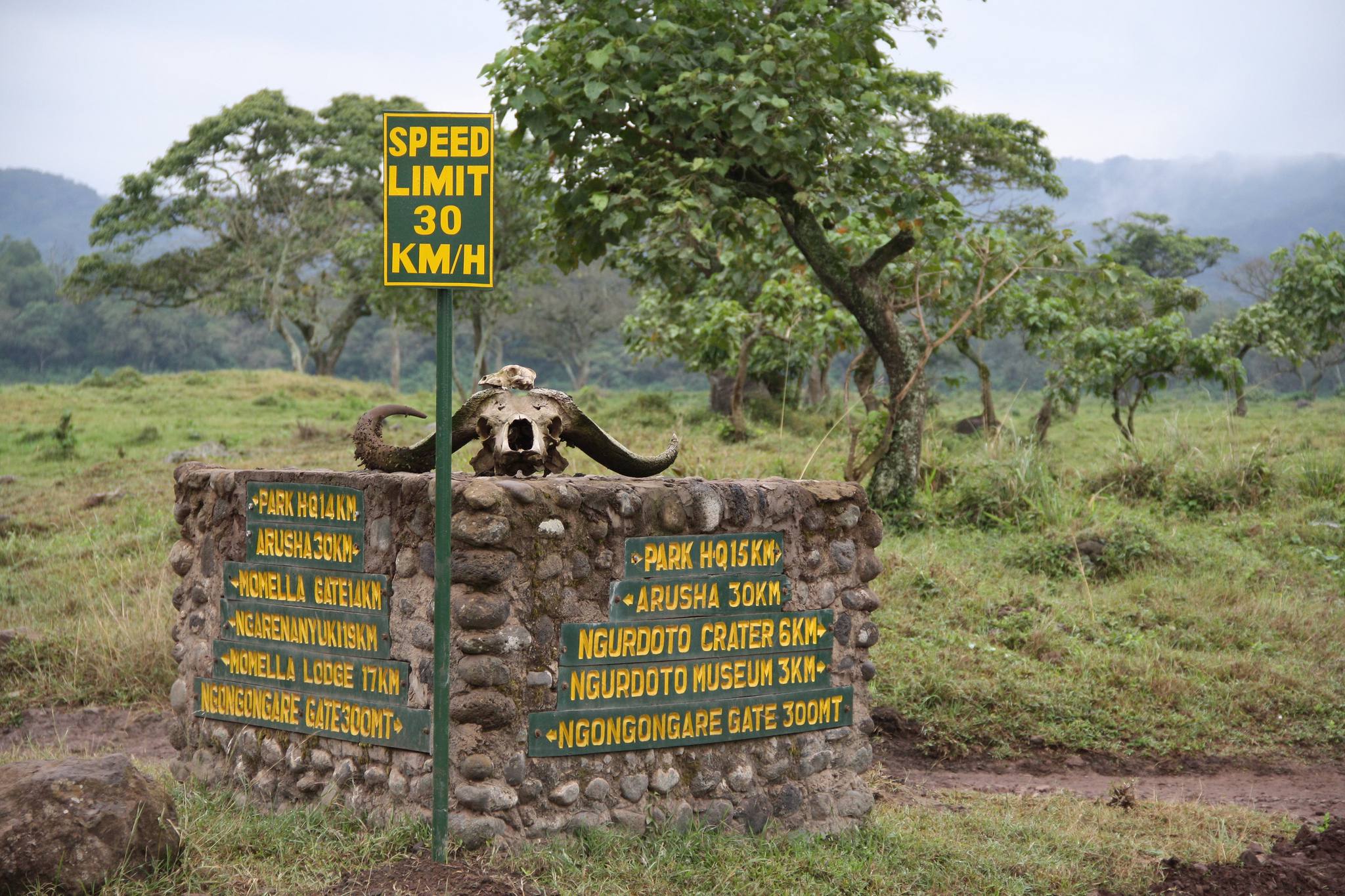
ARUSHA NATIONAL PARK
Arusha National Park is one of Tanzania’s most accessible and diverse parks, located just a short drive from Arusha. Though smaller than many of the country’s famous reserves, it offers an impressive variety of landscapes and wildlife within a compact area.
Overview
Arusha National Park covers about 552 square kilometers and is known for its scenic beauty rather than large concentrations of big game. It’s ideal for day trips, walking safaris, and canoeing—experiences that are rare in many other Tanzanian parks.
Key Attractions
Mount Meru
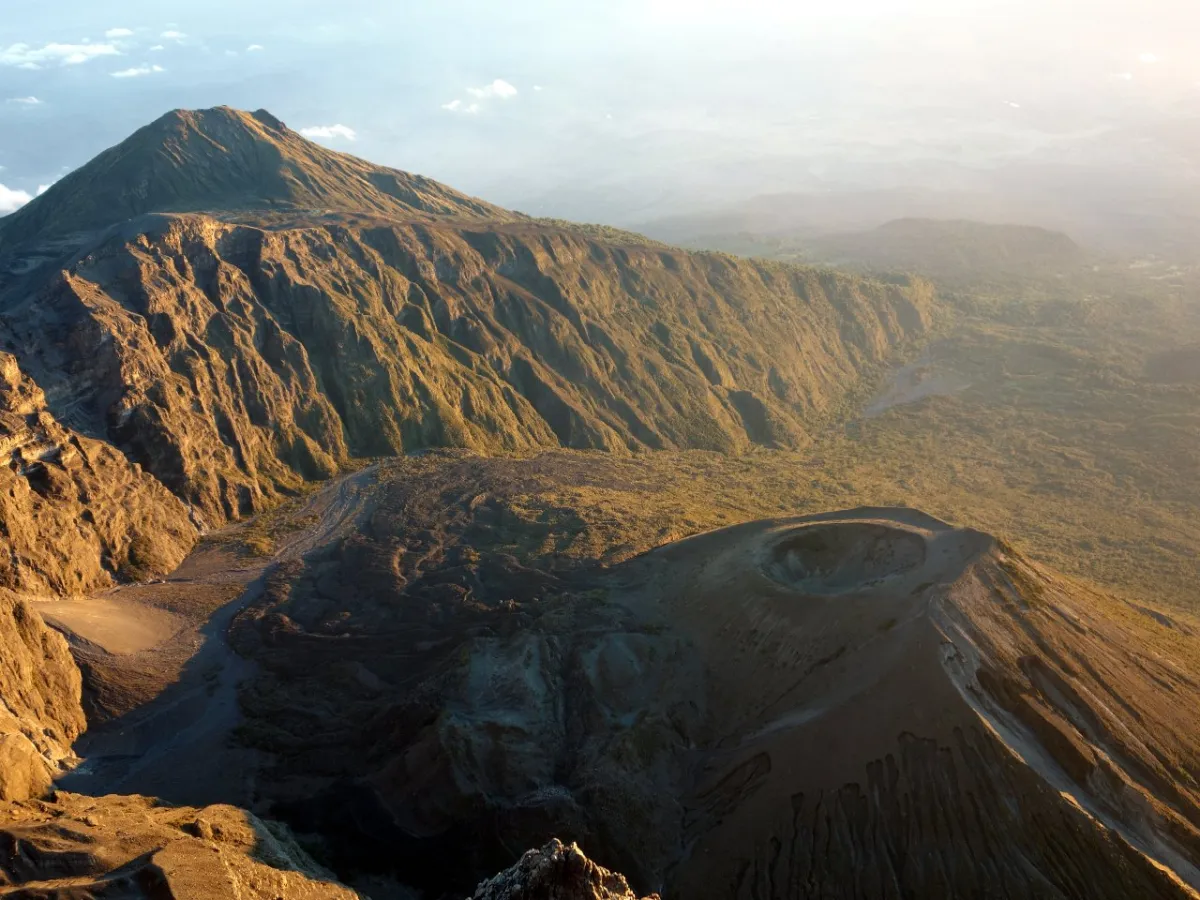
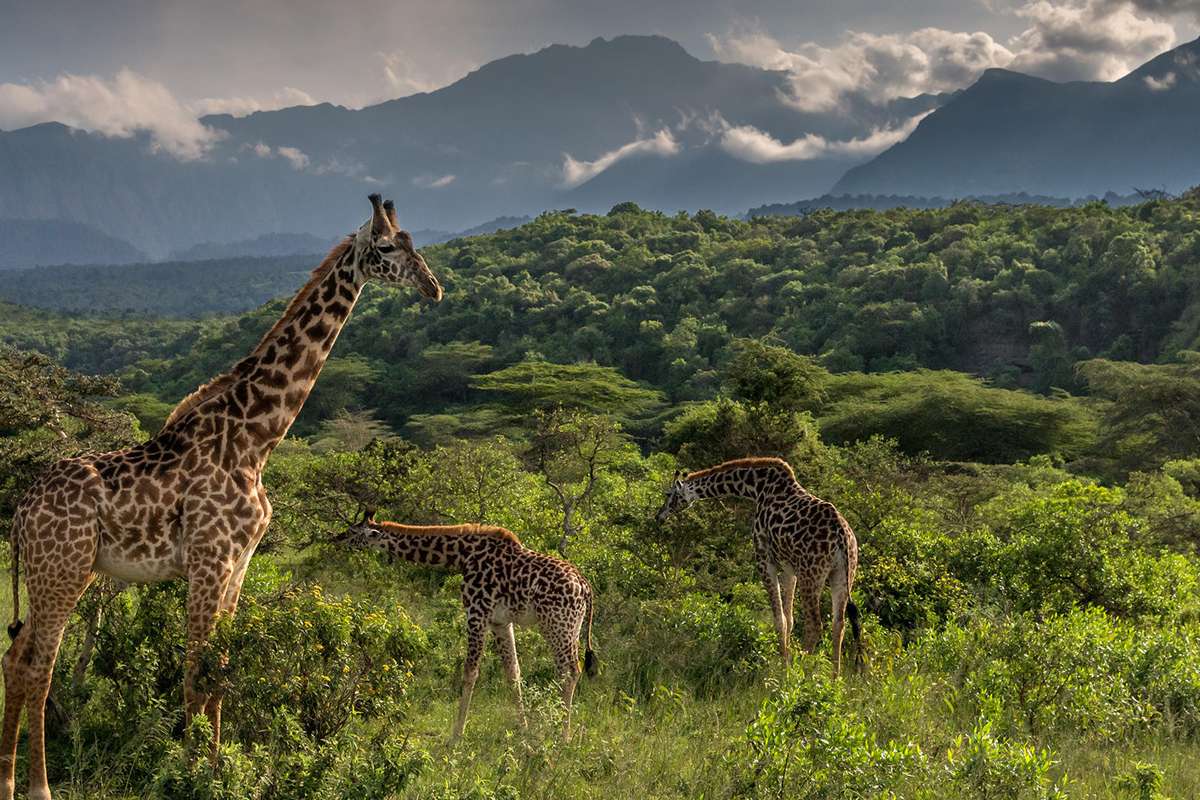
The park is dominated by Mount Meru, Tanzania’s second-highest mountain, rising to 4,566 meters above sea level. This active stratovolcano provides a dramatic backdrop to the park and is a popular destination for trekking enthusiasts. The climb offers a rewarding experience through diverse vegetation zones, from dense forest to alpine landscapes. On clear days, visitors are treated to spectacular views of Mount Kilimanjaro in the distance.
Ngurdoto Crater
Often referred to as “Little Ngorongoro,” Ngurdoto Crater is a steep-sided volcanic caldera filled with dense forest and marshy grasslands. Its enclosed environment creates a natural sanctuary for wildlife such as buffalo, warthogs, and various primates. The crater offers excellent viewpoints from the rim, allowing visitors to observe wildlife within a lush and scenic setting.
Momella Lakes
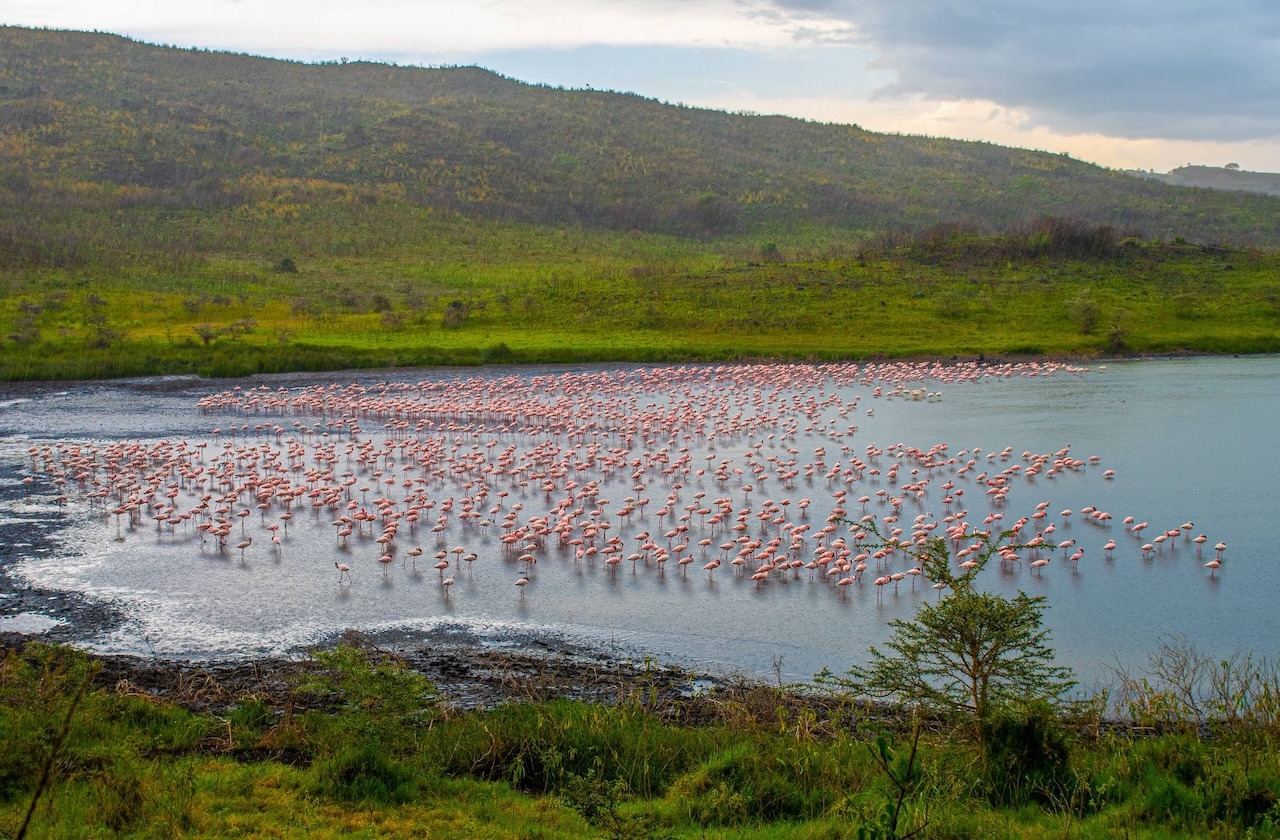
The Momella Lakes are a group of shallow alkaline lakes, each with varying mineral compositions that create subtle differences in color. These lakes attract large numbers of flamingos and other waterbirds, often forming striking pink patterns along the shoreline. The surrounding landscape, combined with reflections of Mount Meru, makes this area one of the most photogenic parts of the park.
Wildlife
While Arusha National Park does not typically host large predators such as lions, it supports a rich and diverse range of wildlife species that thrive in its varied habitats. The absence of major predators also makes it safer for walking safaris.
Common wildlife includes:
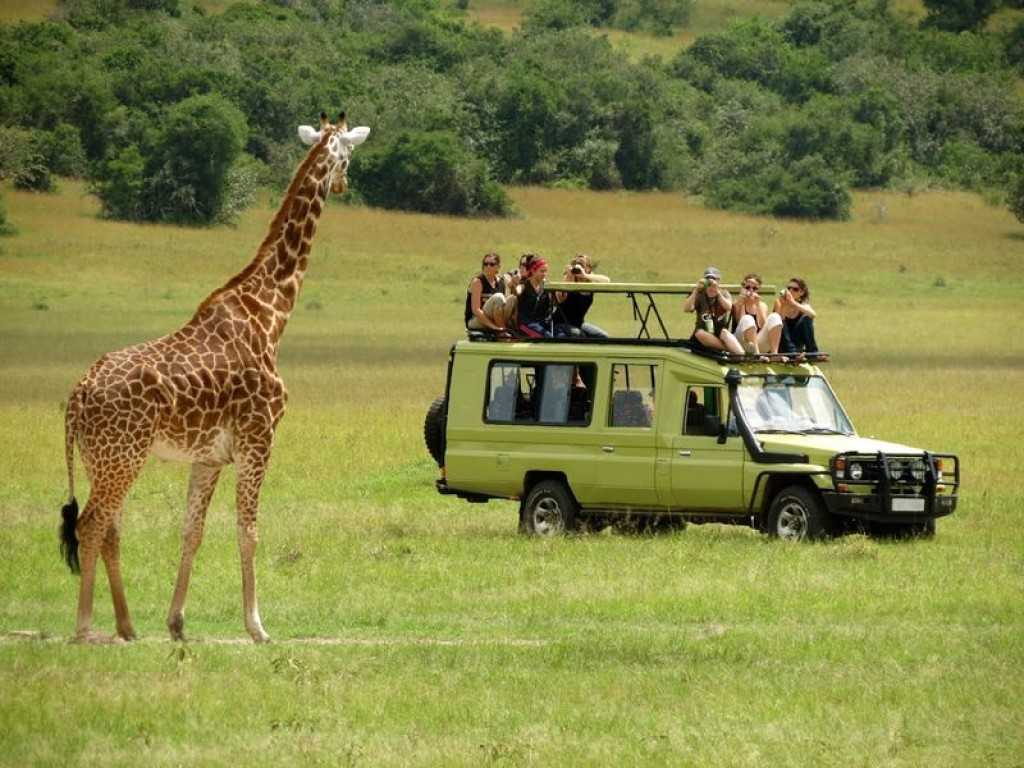
- Large populations of giraffes, often seen grazing across open plains
- Zebras and buffalo, frequently found in grassland areas
- Black-and-white colobus monkeys and blue monkeys in forested regions
- Hippos in certain lakes and wetlands
- Occasional sightings of leopards, though they are elusive
The park is also a haven for bird enthusiasts, with over 400 recorded bird species, including flamingos, hornbills, turacos, and various migratory birds.
Activities
Arusha National Park offers a variety of unique and immersive safari experiences that set it apart from other parks:
- Game Drives
- Traditional safari experience with opportunities to explore diverse landscapes
- Ideal for spotting giraffes, buffalo, and a wide range of birdlife
- Walking Safaris
- Guided walks accompanied by armed rangers
- Allow for close observation of wildlife, vegetation, and smaller details of the ecosystem
- Canoeing Safaris
- Conducted on the Momella Lakes
- Provide a peaceful and unique perspective of wildlife and birds from the water
- Mountain Trekking
- Multi-day climbs on Mount Meru
- Suitable for adventurous travelers seeking both physical challenge and scenic rewards
BEST TIME TO VISIT
- June to October (Dry Season)
- Best time for wildlife viewing as vegetation is thinner and animals are easier to spot
- Clear skies offer excellent views of Mount Meru and Mount Kilimanjaro
- November to May (Green Season)
- Landscapes become lush and vibrant with fresh vegetation
- Ideal for birdwatching, especially during migratory periods
- Fewer visitors, offering a more private and relaxed experience